Swiss Travel Pass for Interlaken: Worth It?
The short answer most pass reviews bury: it depends on how much of Switzerland you're crossing, not how much of the Jungfrau region you're exploring. The pass shines on multi-city itineraries with long rail legs. For a stay based in Interlaken, its dirty secret is that the expensive part — the mountain top sections like Jungfraujoch — isn't free with the pass anyway, only discounted. And if your days are built around guided tours, the transport is usually already in the ticket. Here's the honest decision framework, what's actually covered, and the alternatives that often beat it.
The Verdict, Before the Details
Buy the Swiss Travel Pass if Interlaken is one stop of several — a Zurich–Lucerne–Interlaken–Zermatt style itinerary racks up long intercity legs, and the pass turns them all into "just board", adds every scheduled lake boat, city transit and museum entry, and removes ticket admin from your trip entirely. Skip it — or pick an alternative — if the Jungfrau region IS the trip. A based-in-Interlaken stay involves short, cheap regional hops, while the big-ticket rides (Jungfraujoch, Schilthorn, the gondolas) are only discounted with the pass, typically around 25–50% depending on the lift. For mountain-heavy trips, the Half Fare Card or a regional pass usually does the same job for less. And one insight specific to how we'd plan it: every guided tour we review already includes its transport — the Jungfraujoch package bundles all rail legs and the mandatory seat reservation — so check what your bookings cover before paying twice for the same seats.
Pass or No Pass — Lock In the Day
How to get to Interlaken
Every route from every airport, honestly compared.
What the Swiss Travel Pass Actually Is
The Swiss Travel Pass is an all-in ticket for visitors (non-Swiss residents) covering the Swiss Travel System network: intercity and regional trains, scheduled lake boats, intercity buses and city transit, plus free entry to hundreds of museums. It comes in consecutive-day versions (commonly 3, 4, 6, 8 or 15 days) and a Flex version where you activate individual travel days within a month — Flex costs more per day but fits trips where you settle in one base and only travel some days. Two family facts worth knowing before any math: with the free Swiss Family Card, children under 16 travel free with a pass-holding parent, and a discounted youth version exists for younger adults. The pass is bought online as an e-ticket — nothing to collect. What it is not: a free ride up the famous summits. Mountain railways and cableways sit outside full coverage, and that nuance is where most "is it worth it" math quietly breaks — so let's make it explicit.
What the Pass Covers on Interlaken Train Trips
| Around Interlaken | With the Swiss Travel Pass | What that means for you |
|---|---|---|
| Getting here (Zurich, Geneva, Basel, Bern, Lucerne) | Covered in full | The pass's core value — every long leg of a multi-stop trip, including the scenic Luzern–Interlaken Express |
| Regional trains into the valleys (Lauterbrunnen, Grindelwald, Wengen, Mürren) | Covered in full | Your daily hops from an Interlaken base ride free — convenient, but these are the cheap tickets anyway |
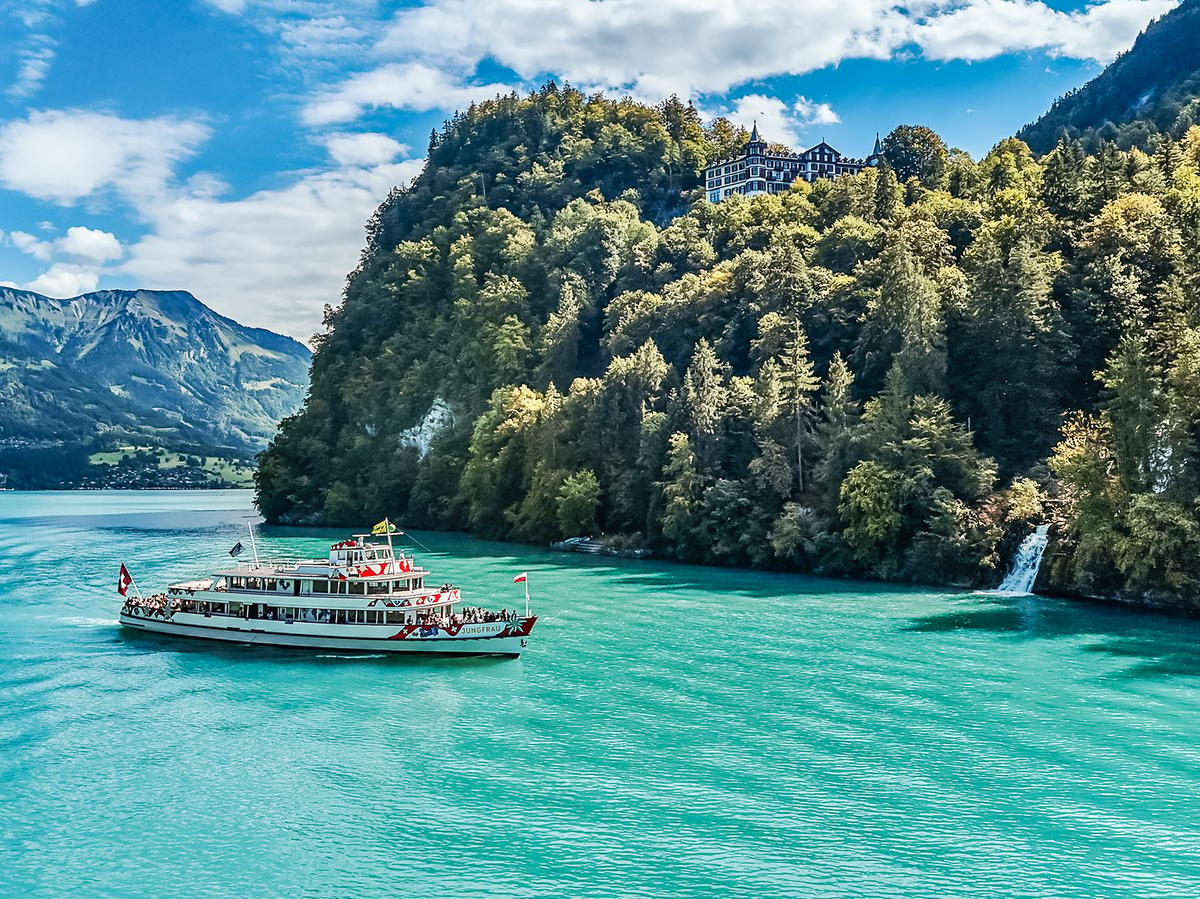
| Lake Thun & Lake Brienz scheduled boats | Covered in full | Genuinely great perk — the boat day comes bundled into the pass |
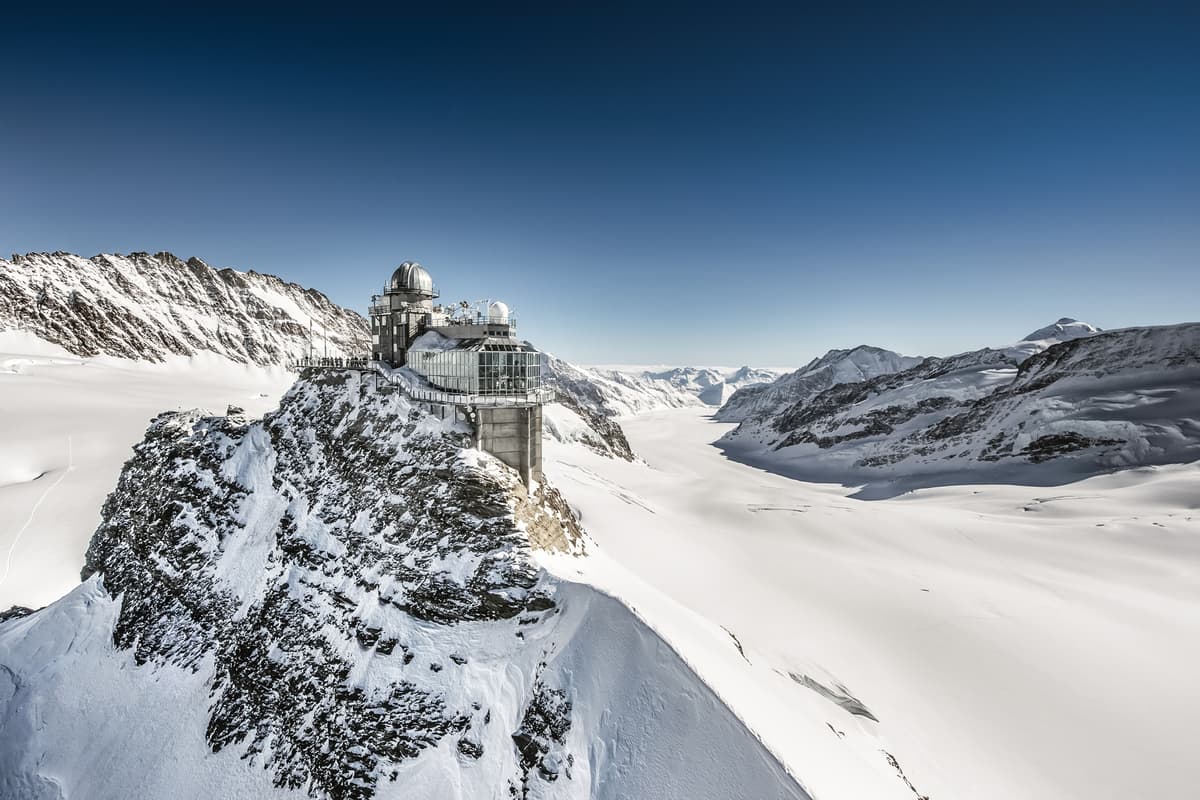
| Jungfraujoch top section | Discounted (typically ~25%), not free | The single most expensive ride in the region stays a real expense — the myth that the pass "includes Jungfraujoch" costs people the most |
| Most mountain cableways (Schilthorn, First, Harder Kulm and others) | Discounted (commonly up to ~50%), not free | Useful discounts — but discounts, so mountain-heavy plans should compare the Half Fare Card |
| City transit & buses | Covered in full | Nice-to-have around Interlaken; more valuable in the cities on a multi-stop trip |
| Museums (500+ across Switzerland) | Free entry | Big in Lucerne, Zurich and Bern; thin in the Jungfrau region itself — you don't come here for museums |
| Guided tours (Jungfraujoch package, Zurich day trip, adventure pickups) | Not the pass's job | Transport is already inside the tour price — a pass adds nothing to these days |
Reading the table honestly: full coverage lives on the flat — trains, boats, buses. The vertical — everything with a summit at the top — is discount territory. Exact percentages and terms shift between seasons, so verify current conditions on the official Swiss Travel System pages before buying; the structure above (flat free, vertical discounted) is the stable part.
The Verdict by Trip Type
Pass territory
Zurich → Lucerne → Interlaken → Zermatt → Geneva style trips stack long intercity legs day after day — exactly what the pass eats for breakfast. Add boats, city transit and museums, and it usually wins on money and always wins on simplicity.
Usually not — compare alternatives
Short valley hops are cheap; the pricey rides are only discounted. The Half Fare Card (50% off nearly everything, including mountain railways) or a regional pass typically fits this trip better. Run the 3-step math below.
No — point-to-point or guided
A single Zurich–Interlaken return never justifies a multi-day pass. Buy the return ticket, or let the guided day trip ($122 with transport included) delete the question entirely.
The math changes — in your favour
The free Family Card puts under-16s on trains and boats at zero cost alongside a pass-holding parent. For multi-stop family trips this single perk can flip the verdict — one adult pass quietly becomes family transport.
When the Pass Wins — and When It Loses
The pass wins when…
- You change base cities several times — every long leg is a pass leg
- Boats and city transit are part of the fun, not just transport
- You're travelling with under-16s — the Family Card multiplies the value
- You value never thinking about tickets more than squeezing the last franc
The pass loses when…
- You base in one place — short valley hops don't add up to a pass
- Your budget's centre of gravity is summits — those are discounted, not free
- Your big days are guided tours — their transport is already paid for
- The trip is a single day out — a return ticket ends the debate
The Alternatives That Often Beat It Here
The Half Fare Card is the pass's quiet rival for Jungfrau-based trips: 50% off nearly the entire network — and crucially, that discount applies to the mountain railways too, the exact place the Travel Pass goes weak. If your plan is summit-heavy and single-base, price this first. Regional passes — the Berner Oberland Pass and the Jungfrau Travel Pass — trade national coverage for deeper local benefits on the mountain routes around Interlaken; they're seasonal products with their own fine print, strongest for travellers doing lift after lift from one base. Point-to-point tickets remain the honest baseline: Swiss trains don't sell out, walk-up fares are standard, and the SBB app prices any route in seconds — which is exactly what the method below uses. And the fourth alternative people forget is no rail product at all: if your three big days are the Jungfraujoch package, a pickup-included thrill and the Zurich day trip, your remaining DIY travel might be two twenty-minute valley hops — and no pass on earth pays for itself on that.
Run Your Own Math in Three Steps
Evergreen method, no stale prices: current fares come from the SBB app, current pass prices from the official Swiss Travel System site — the framework below never expires.
Write down every ride
Airport transfers, city-to-city moves, valley hops, boat days — every journey of the trip, honestly. Then mark which days are guided tours: cross their transport off the list; it's already in the tour price.
Total it point-to-point
Price each remaining leg in the SBB app at full fare — that's your no-pass baseline. For summit rides, note the full lift price separately; you'll apply pass discounts to those in step 3.
Pass vs Half Fare vs nothing
Pass cost + discounted summits vs Half Fare Card + 50% on everything vs the raw baseline. Whichever number wins, wins — and if two land close, take the option with less ticket admin.
A ten-minute exercise that regularly saves real money in one direction or the other — travellers overbuy passes for single-base trips exactly as often as they underbuy them for grand tours.
The Day Where No Pass Is Needed: Jungfraujoch, All-Inclusive
The guided package bundles every rail leg from Interlaken plus the mandatory summit seat reservation into one booking — the exact segments where pass math gets messy. 4.6★ across 401 reviews, runs 365 days. Reserve now, pay later, cancel free up to 24 hours.
The Four Mistakes People Make with the Pass
1. Assuming Jungfraujoch is included. It isn't — the top section is discounted, not free, and it's the single most expensive ride in the region. This one assumption breaks more pass math than everything else combined. 2. Buying the pass AND guided tours. Tour prices include their transport; a pass adds nothing to those days. Count only your genuine DIY legs. 3. Ignoring the Half Fare Card. For single-base, summit-heavy trips, 50% off everything including mountain railways regularly beats the pass — it's the comparison most reviews skip. 4. Buying consecutive days for a settled trip. If you're based in Interlaken and only travel some days, the Flex version — or no pass at all — matches reality better than paying for travel days you'll spend on a paraglider instead of a train.
Usually not. A single-base Jungfrau trip runs on short, cheap regional hops, while the expensive rides — Jungfraujoch, Schilthorn, the gondolas — are only discounted with the pass, not free. The Half Fare Card or a regional pass typically fits better, and if your big days are guided tours, their transport is already included. The pass earns its keep on multi-city Swiss itineraries.
Not fully — this is the most expensive misunderstanding in Swiss trip planning. The pass covers you deep into the valleys, but the summit section of the Jungfraujoch railway is discounted (typically around 25%), not free. The guided package sidesteps the whole question by bundling all rail legs and the mandatory seat reservation into one price.
Yes — scheduled boats on both lakes are fully covered, which effectively bundles the region's best-value day into the pass. If you're buying the pass anyway for a multi-stop trip, plan a lake day to harvest that perk; if not, the standalone $52 boat day pass delivers the same day à la carte.
For a single-base, mountain-heavy trip: usually the Half Fare Card, because its 50% discount applies to nearly everything including the mountain railways — exactly where the Travel Pass weakens to partial discounts. For multi-city trips with long legs, the Travel Pass usually wins. Run both through the three-step method above; the answer falls out of your own leg list.
Both are regional products built for exactly this area — trading national coverage for stronger benefits on the mountain routes around Interlaken. They're seasonal, their terms change year to year, and they suit travellers doing lift after lift from one base. If your trip never leaves the Bernese Oberland, price the current versions against the Half Fare Card before considering the national pass at all.
Consecutive suits trips that genuinely move — a leg most days. Flex costs more per travel day but only burns days you actually travel, which matches the settle-in-Interlaken pattern where three of five days happen on foot, on water or under a paraglider rather than on rails. If most of your days wouldn't use the pass, that's the strongest hint you may not need one at all.
Under-16s travel free with a pass-holding parent using the free Swiss Family Card — one of the most generous family deals in European travel. For families, this single perk can flip the whole verdict: one or two adult passes quietly become transport for everyone. Details and the card itself come with the pass purchase; our Interlaken with kids guide covers the rest of the family planning.
For those days — no. Every tour we review includes its transport: the Jungfraujoch package covers all rail legs, the Zurich day trip is door-to-door coach, and the adventure operators include pickups. Count only the genuine DIY legs left between bookings — for many tour-heavy trips, that remainder wouldn't pay for any pass.
Online, from the official Swiss Travel System / SBB channels, as an e-ticket — there's nothing physical to collect and no scarcity to beat, so "when" barely matters; buy it once your itinerary is fixed enough to survive the three-step math. What does deserve advance energy is the tours: the pass never sells out, the good tour dates do.
Yes — city transit and the intercity bus network are in, which is most valuable in the bigger cities of a multi-stop trip. Around Interlaken itself the perk is modest: the town is walkable, and the valleys run on the covered regional trains anyway.
On a multi-city trip, genuinely yes — free entry to hundreds of museums adds up fast in Zurich, Lucerne, Bern and Basel. In the Jungfrau region specifically, it's nearly irrelevant: you don't come here for museums, and the region's rainy-day aces (Jungfraujoch's indoor summit, Trümmelbach's inside-the-mountain falls) aren't museum-pass items.
No — a multi-day pass for a single return journey is the clearest "don't" in this whole guide. Buy the point-to-point return, or take the guided day trip where $122 includes the transport and the planning. Passes are trip-scale tools, not day-scale ones.
Deliberately, there are almost none to expire: pass prices and exact discount percentages shift between seasons, so this guide gives you the stable structure — what's covered in full, what's only discounted, and the three-step method — and points you to the SBB app and official Swiss Travel System pages for today's numbers. The framework outlives any price table we could print.
How this guide works
We deliberately avoid printing pass prices and exact discount percentages that expire between seasons — the official Swiss Travel System channels and the SBB app are the only honest sources for today's numbers. What this guide contributes is the stable decision structure: which categories the pass covers in full, which it only discounts, how guided-tour transport changes the math, and a method you can rerun for any itinerary. Tour facts come from the 23 full reviews on this site, checked against live listings and verified 2025-2026 reviews.
Where the honest answer is "you don't need any pass" — that's what we've written. Last updated: July 2026.
More Interlaken Guides
How to Get to Interlaken
The routes the pass would cover — Zurich, Geneva, Basel, Bern and Lucerne, compared honestly.
All 23 Interlaken Tours, Ranked
Where the trip budget actually goes — every tour ranked by verified review data, $51 to $519.
Interlaken from Zurich
The one-day case where no pass ever makes sense — guided trip vs DIY train, settled.
More Interlaken Trip Planning
Interlaken Train Trips
Every reviewed rail trip and pass from Interlaken — Jungfraujoch, Schynige Platte, Harder Kulm and the three regional travel passes.
Interlaken Tour Packages
Every reviewed Interlaken package — regional travel passes, hop-on hop-off, private full-day tours and combo trips, with honest break-even maths.
Transport Math Done? Spend the Savings Well.
Whatever the pass verdict, the trains were never the point — the tours are. All 23, ranked with verified review data and bookable with free cancellation.
See All 23 Tours, Ranked →